

“这是一项非凡的成就……”挪威致信感谢宁波



独家抢先看
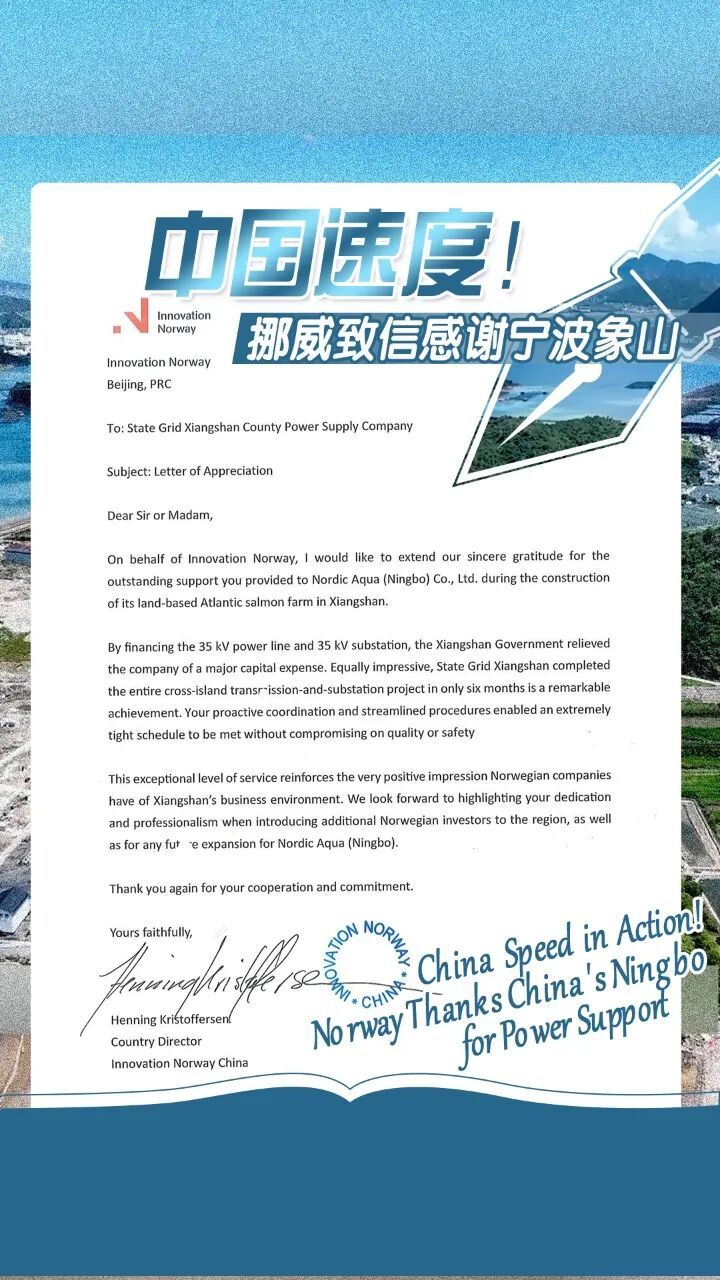
来自挪威创新署的感谢信。
The Letter of Thanks from Norway to Ningbo, China.
“我们期待,未来向更多赴宁波象山投资的挪威企业推介时,重点宣传贵方的奉献精神与专业能力……”
“We look forward to highlighting your dedication and professionalism when introducing additional Norwegian investors to the region.”
3月11日,一封来自挪威创新署北京办事处的感谢信,送抵中国东海之滨的宁波象山。
On March 11, a letter from the Innovation Norway Beijing office arrived in Xiangshan County, Ningbo, in east China’s Zhejiang Province.
“贵方仅用6个月完成了整个跨岛输电及变电站项目,这是一项非凡的成就……项目能在极其紧张的工期下完成,同时保障了质量和安全,帮助企业节省了投资成本……”
“State Grid Xiangshan completed the entire cross-island transmission-and-substation project in only six months, which is a remarkable achievement... [This] enabled an extremely tight schedule to be met without compromising on quality or safety.”
信中,挪威创新署中国区负责人汉宁·克里斯托弗森感谢国网象山县供电公司为中挪合资企业诺帝克水产(宁波)有限公司(以下简称“诺帝克”)提供的支持。
Henning Kristoffersen, head of the agency’s China office, expressed gratitude for the local support provided to Nordic Aquaculture (Ningbo) Co., Ltd., a Sino-Norwegian joint venture.
自2018年落户象山起,诺帝克便在这里打造亚洲首个陆基循环水养殖大西洋鲑(三文鱼)基地。
Since launching operations in Xiangshan in 2018, Nordic Aquaculture has built Asia’s first land-based Atlantic salmon farm using a recirculating aquaculture system—a milestone in industrial cold-water fish farming in China.
该项目不仅填补了国内工业化陆基冷水鱼养殖的产业空白,更成为中挪两国在水产养殖技术交流、绿色海洋经济合作领域落地的标志性项目。
Beyond the technical achievement, the project has become a model of Sino-Norwegian collaboration, merging advanced aquaculture technology with green marine economy initiatives.
而这封感谢信的背后,更是藏着一段跨越二十余年的中挪情缘。
Behind this letter lies a bond between China and Norway that has endured for more than two decades.
两位挪威人与中国结缘
Two Norwegians’Salmon Dream in China
故事要从2002年的一个夜晚说起。在新加坡南洋理工大学,挪威青年安德烈亚斯・托吕德意外闯入了中国留学生举办的“文化之夜”。舞台上,古筝的泉鸣与小提琴的悠扬交织,东西方文化的交融瞬间击中了这个年轻人。
The story began in 2002, when Andreas Thorud, then a Norwegian student at Nanyang Technological University in Singapore, walked into a“Chinese Culture Night”event on campus. Hearing a plucked Chinese zither played alongside the violin, he was struck by the unexpected yet harmonious blend of East and West.
“音乐没有国界,音乐是最好的语言。”多年后,托吕德依然清晰记得那个夜晚的触动。他取了中文名叫“童安睿”,现在是诺帝克的总经理,
“Music has no nationality; it’s the best language,” Thorud recalls, still vividly moved by that night. Years later, going by his Chinese name Tong Anrui, Thorud would become general manager of Nordic Aquaculture.
2008年,童安睿踏上了中国的土地,开始为期一个月的旅行。那年,适逢北京举办奥运会,城市蓬勃向上的生机,街头巷尾陌生人的善意与热情,让他明确方向——要到中国去,做时代的参与者,而非旁观者。
His first visit to China coincided with the Beijing Olympics in 2008, where the energy of the city, the kindness of strangers, and the vibrancy of a country in motion inspired him to participate actively in China’s evolving economy.
后来,童安睿前往清华大学深造,毕业后在挪威海产局负责亚太地区的市场推广和产业合作工作。在中国十余年,他成了一名能讲一口流利中文、开会不用翻译的“中国通”,见证了中国高端海鲜市场的爆发式增长,也看清了行业最深的痛点——
After studying at Tsinghua University and working with the Norwegian Seafood Council in the Asia-Pacific, Tong witnessed the explosive growth of China’s high-end seafood market—and its challenges.
中国市场99%的三文鱼依赖进口,从挪威渔场到中国餐桌,要经过跨洋运输、海关检疫、多级分销,不仅推高了成本,更让三文鱼的“鲜度”大打折扣。
Ninety-nine percent of Atlantic salmon consumed in China were imported, facing long transport times, customs inspections, and complex distribution chains. This resulted in higher costs and reduced freshness.
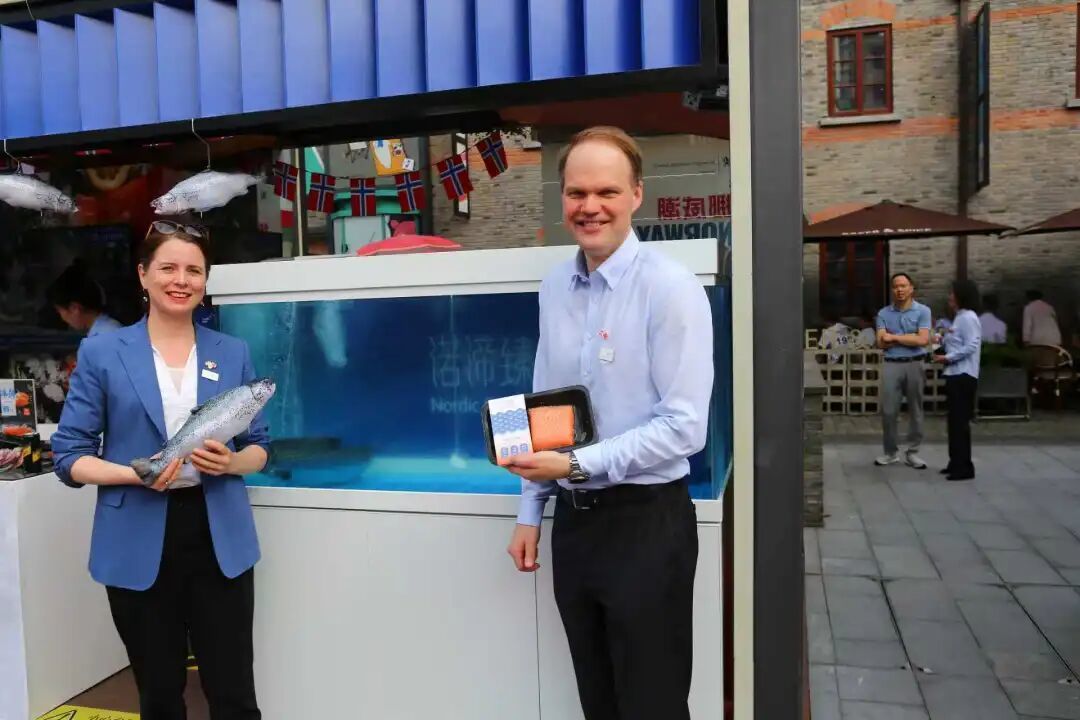
童安睿(右一)在上海展销三文鱼。
Tong Anrui (Right) showcases salmon at a trade exhibition in Shanghai.
“能不能把挪威最先进的三文鱼养殖技术带到中国,实现本土养殖、本土供应?”童安睿的想法,与诺帝克创始人欧佛・罗德兰的规划不谋而合。早在上世纪90年代,欧佛・罗德兰便来宁波经商,如今已是获得“宁波市荣誉市民”称号的“新宁波人”。
Tong wondered: “Can Norway’s advanced salmon farming technology be brought to China?” His vision aligned perfectly with Ove Nodland, a long-time businessman in Ningbo and now an honorary citizen of the city.
当罗德兰邀请童安睿加入三文鱼陆基养殖项目时,他送给童安睿一本英译本的《养鱼经》,这部被公认为世界上最早的水产养殖文献,相传为2500多年前“商圣”范蠡所著,书中“顺天时”的可持续养殖理念,至今仍具启示意义。而范蠡归隐宁波东钱湖的传说,更让这场合作多了一份跨越千年的文化共鸣。
Their collaboration was strengthened by a shared respect for China’s heritage: Nodland gifted Tong an English translation of The Classic of Fish Culture, a 2,500-year-old text by the ancient economist and statesman Fan Li. The book’s principles of sustainable aquaculture, combined with Nodland’s connection to Ningbo, created a bridge between ancient philosophy and modern industry.
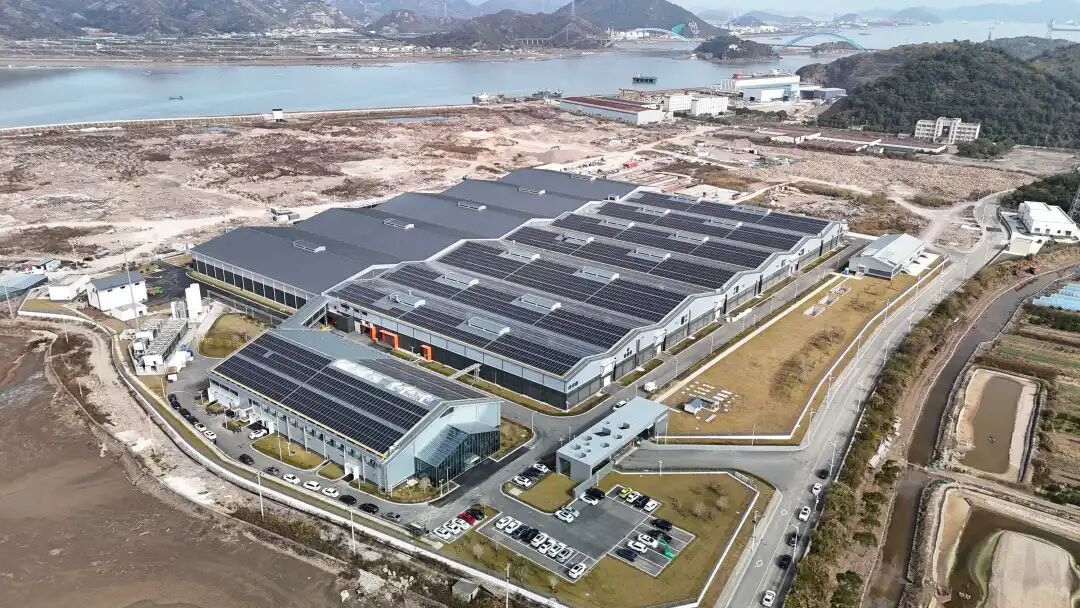
位于象山高塘岛乡的三文鱼养殖基地。
The salmon farm in Gaotangdao Township, Xiangshan County.
历经多轮考察,项目最终落户宁波象山高塘岛乡,这里海岸线绵长,洋流稳定,水质优良,是发展现代水产养殖的天然宝地。2018年,诺帝克水产(宁波)有限公司正式成立。2021年,亚洲首个大型陆基循环水养殖大西洋鲑基地破土动工。他们要在这里,实现一个看似不可能的梦想——在北纬30度附近的东海之滨,养出品质比肩北欧的三文鱼,让两千多年前的东方养鱼哲学,与现代养殖技术,在这片土地上结出果实。
After extensive surveys, Gaotangdao Township, Xiangshan County was selected as the salmon farm’s location. With long coastlines, stable currents, and pristine waters, it was ideal for salmon cultivation, despite being at 30°N—far from the North European waters these fish normally inhabit. The project aims to produce salmon that meets Northern European quality standards, combining traditional Chinese aquaculture philosophy with modern Nordic technology.
挪威三文鱼在中国扎根安家
Norwegian Salmon Finds a New Home in China
这也是一场前所未有的挑战。养殖三文鱼是一门精细活,“水是基础,电是核心”。
Salmon farming is exacting work. “Water is the foundation, electricity is the lifeline,” says project manager Tan Yong.
三文鱼对于生存环境要求极高。为此,养殖场采用了陆基循环水养殖系统(Recirculating Aquaculture System),从东海取水,利用先进的循环水养殖设备,模拟海水养殖三文鱼的环境,控制水质和水温,为鱼儿提供舒适的生长条件。“三文鱼生存的水温在12℃~14℃,水循环、冷却恒温、海水净化、增氧供氧等关键系统,每个环节都离不开稳定的电力供应。”诺帝克的项目经理谭勇介绍,若出现断电,将影响水体循环和水质稳定,对规模化养殖资产形成较大安全隐患,给企业造成重大经济损失。
The farm’s land-based recirculating aquaculture system draws water from the East China Sea and carefully controls temperature, circulation, oxygen, and purification. “Salmon survives best in water between 12°C and 14°C,” Tan explains. “Every system—be it water circulation cooling, purification, or oxygen supply—depends on stable electricity. Any disruption could compromise water quality, threatening the fish’s lives and the farm’s bottom line.” Overcoming these technical challenges was essential—not just for the fish’s survival, but for realizing the vision of ultra-fresh, locally farmed salmon.
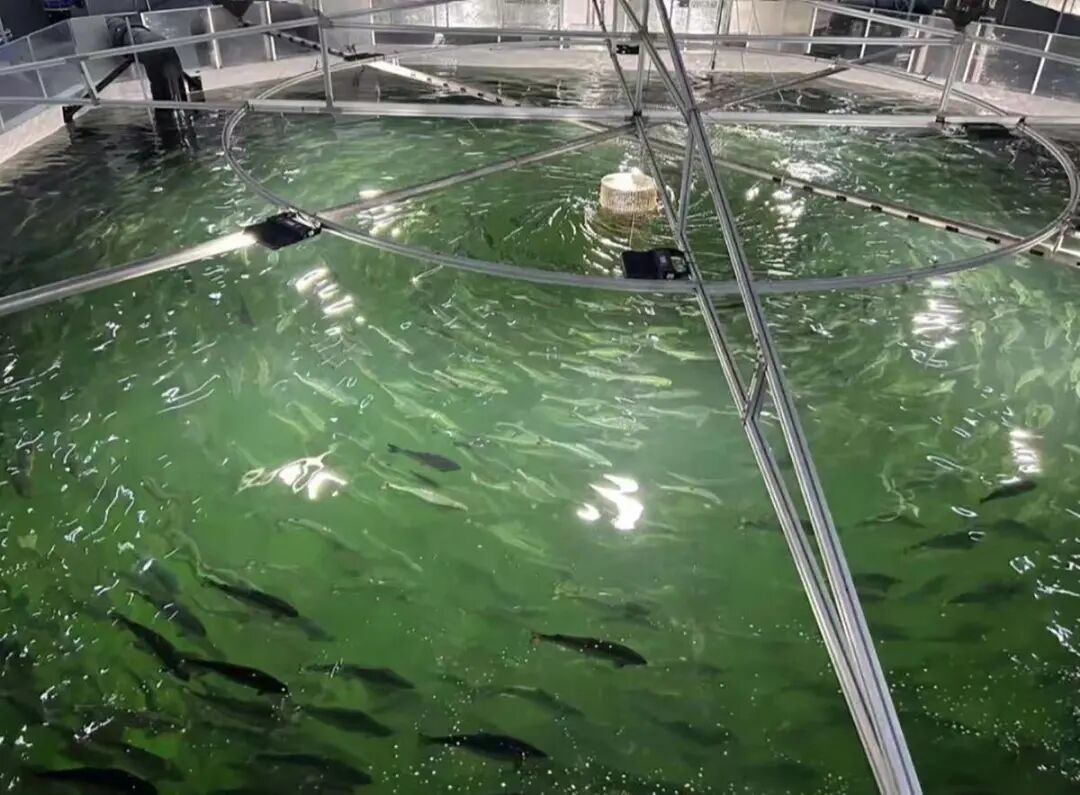
陆基循环水养殖系统。
The Recirculating Aquaculture System inside the farm.
在稳住了水、电两条养殖生命线后,这批跨越万里而来的三文鱼在东海之滨扎根。2024年,源自冰岛的三文鱼卵历经两年多,顺利完成全周期养殖生长,首批成鱼出栏,均重5.7公斤,各项指标达到生食标准。
By 2024, Icelandic salmon hatched and raised in Xiangshan had reached maturity, reaching on average 5.7 kilograms each and achieving sushi-grade quality.
“进口三文鱼从捕捞到走上中国人的餐桌至少要一周时间,我们的三文鱼5小时直达长三角核心城市,24小时覆盖全国核心城市,从养殖基地到餐桌的链路大幅缩短。”童安睿对公司的三文鱼产品很有信心,凭借极致新鲜,首批本土养殖三文鱼一上市就供不应求。
Local production slashed supply-chain times dramatically. Previously, imported salmon took about a week to reach Chinese consumers, but Xiangshan salmon can now arrive in major Yangtze River Delta cities within five hours and anywhere nationwide within 24 hours. Tong’s faith in Xiangshan paid off—the first harvest sold out almost immediately.
2025年初,诺帝克二期扩建项目正式提上日程,而当时海岛配套的10千伏供电线路,已无法匹配企业的发展节奏。“扩产的第一步,是解决电的问题。”童安睿心里清楚,海岛输变电工程地形复杂、协调难度大,在挪威,同类项目的建设周期至少要一年以上,他和团队做好了长期攻坚的准备。
When Nordic Aquaculture planned its second-phase expansion in early 2025, the island’s 10kV power line could no longer provide enough voltage. Tong, aware that similar projects in Norway would take over a year due to complex terrain and inter-departmental coordination.
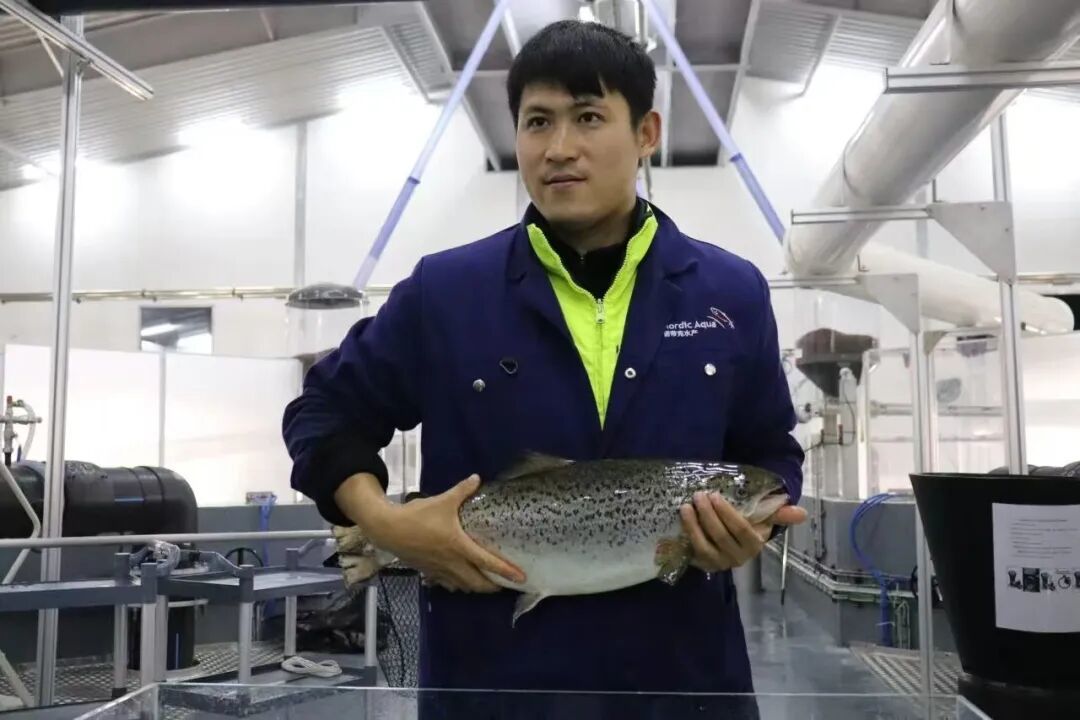
诺帝克养殖的三文鱼。
Salmon farmed by Nordic Aquaculture in Xiangshan.
6个月完成跨岛输电
China Speed in Action
在象山鹤浦片区坚守20多年的李永军,是国网象山县供电公司鹤浦供电所所长,很懂三文鱼的“娇贵脾气”。他的工作手册里,始终记着一个关键数字:9.7千伏。这是三文鱼养殖项目配套10千伏供电线路的正常运行电压下限,一旦低于该数值,部分设备无法正常运行,满池的鱼儿将面临灭顶之灾。“以前高塘岛乡靠一条10千伏线路撑着,容量紧巴巴,一到台风季,我们比鱼还紧张。”李永军提起过去的窘境。海岛多台风,一旦线路受损停电,哪怕只有十几分钟,对企业来说都是严重打击。
Li Yongjun, who has served on Hepu Island in Xiangshan as the local power station chief for more than 20 years, knows the salmon’s delicate nature. He monitors a critical voltage threshold of 9.7kV—the minimum voltage needed to keep the 10kV line feeding the salmon farm running. Drop below that, and pumps stall, oxygen systems fail, and the full stock could be wiped out.“Previously, Hepu Island relied on a single 10kV line,” he explains. “During typhoon season, we were more fearful for the fish’s lives than the fish themselves.”On this wind-battered island, even a brief outage of a few minutes could spell disaster for the business.
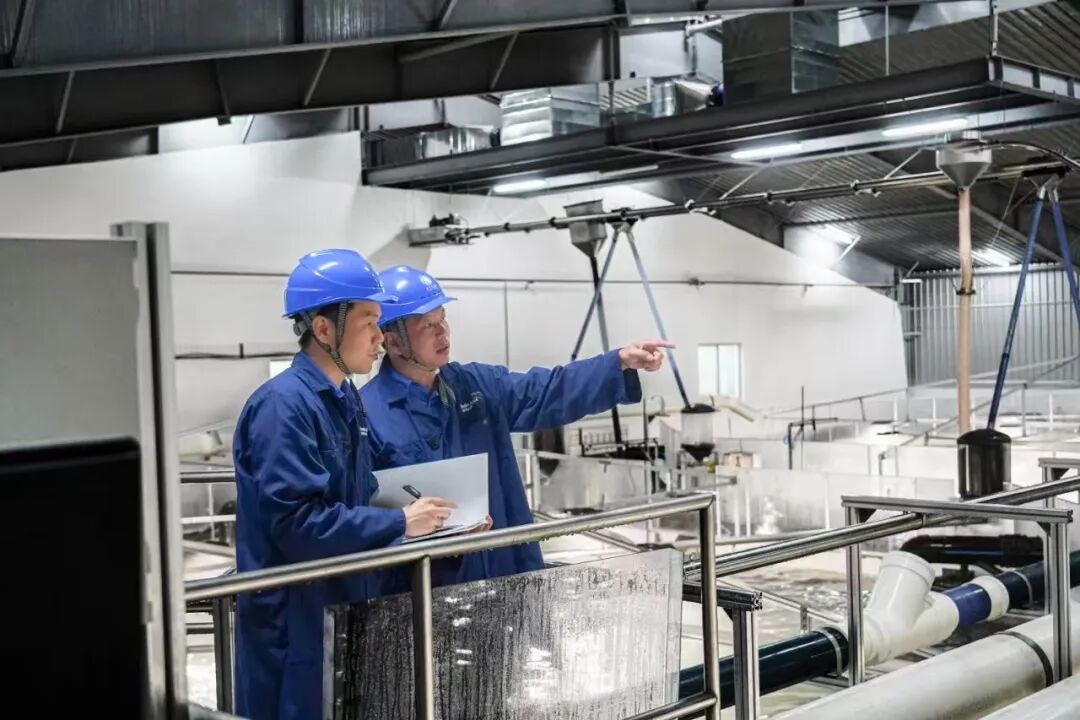
李永军和同事上门了解养殖基地用电情况。
Li Yongjun and his colleague inspect the salmon farm’s power supply.
在了解到诺帝克的扩产用电需求后,国网象山县供电公司第一时间响应,组建项目专班,35千伏三文变电站及跨岛输电线路项目按下了“快进键”。海边常年风浪较大,冬季的寒风刮在脸上更是如刀割一般。施工人员迎着风浪立杆架线,为抢抓施工窗口期,常常天不亮就进场施工,直至天黑才收工。2025年年中,35千伏三文变电站及总长13.9公里线缆建设,仅用6个月便完成投运。
When the farm’s expansion demanded more power, Li led his powerline construction team through strong winds and freezing cold, often starting work before sunrise and continuing until nightfall. The dedicated team upgraded the infrastructure, constructing a 35kV substation and a 13.9-kilometer cross-island line in just six months. Daily inspections, 24-hour emergency response, real-time load monitoring, and guidance on optimizing power use saved the company altogether nearly three million yuan annually.
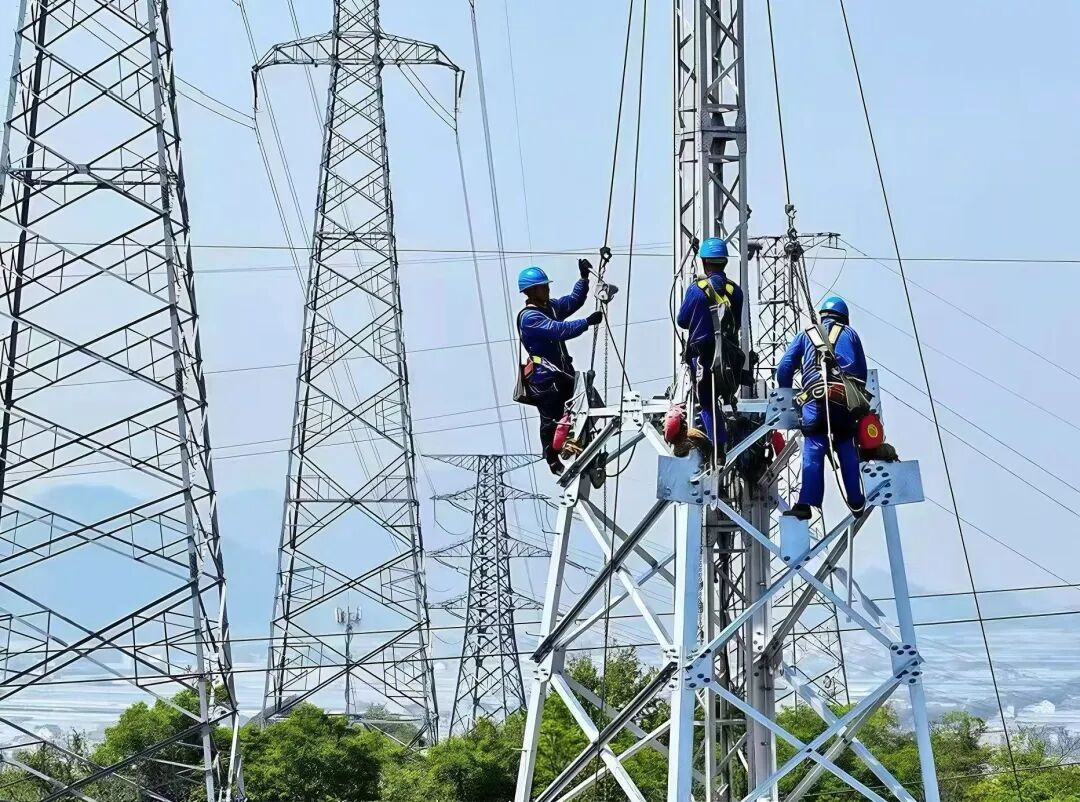
电力人在电力铁塔上赶工程。
Electricity workers at the transmission tower during construction.
不只于“建得快”,更在于“守得稳”。童安睿记得基地设备调试时电压波动异常,他抱着试一试的心态拨通了李永军的电话,20分钟后,李永军就带着技术员赶到了现场。一句“这鱼娇贵,电不能等”,让童安睿记到了现在。
Speed was one thing; reliability was another. Tong recalls a moment when voltage fluctuations threatened the facility: he called Li, who arrived with technicians within 20 minutes. “We understand these fish are delicate, and the power supply must be stable” Li’s words stayed with Tong to this day.
日常里,供电所定期上门巡检、24小时应急响应、实时负荷监测,同时通过指导企业优化用电时段、配套建设厂房屋顶光伏发电项目等举措,每年为企业节省近300万元的用电成本。
The farm’s staff now receive ongoing support: technicians carry out routine inspections, respond to emergencies around the clock, monitor electricity loads in real time, and advise on everything from optimizing usage to installing rooftop solar panels. Together, these efforts keep operations running smoothly and shave nearly 3 million yuan off the company’s annual energy costs.
“他们不是建完就不管了,而是全程陪着我们发展。”童安睿说。
“They don’t just build and leave—they grow with us,” Tong emphasizes.
跨越山海的携手,开放共赢的未来
From Fish to Future
2025年8月19日,童安睿将一面写着“急用户所急,高效通电助力发展;想企业所想,专业服务彰显担当”的锦旗,送到了象山县供电公司手中。
On August 19, 2025, Tong presented an honor banner to State Grid Xiangshan, a token of recognition for the team’s dedication. Across its silk surface, the words read: “Meeting users’ urgent needs, delivering power efficiently to drive growth; anticipating enterprises’ concerns, demonstrating responsibility through professional service.”
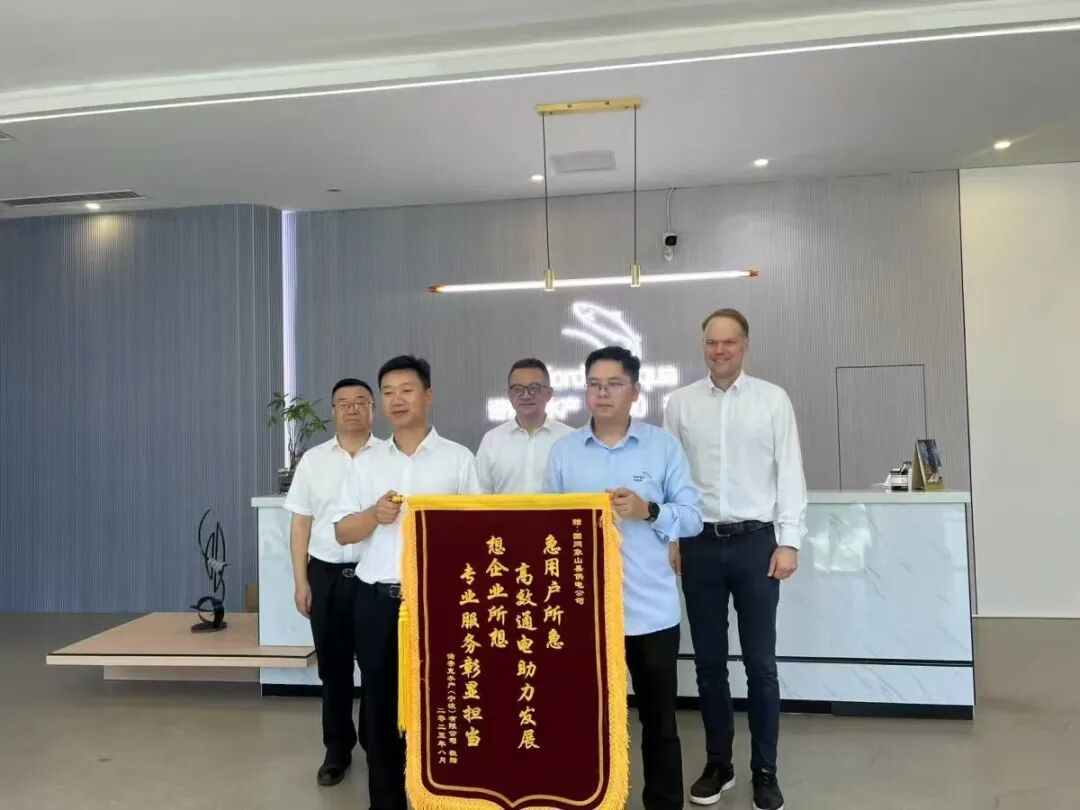
童安睿和公司员工向象山县供电公司赠送锦旗。
Tong and his team present an honor banner to State Grid Xiangshan.
如今,诺帝克象山基地一期年产能稳定达到4000吨;二期项目已投用,产能将再翻一番,达到8000吨;未来三期工程全部建成后,总产能将突破2万吨,打破中国三文鱼长期依赖进口的格局。“随着产能释放,我们也将计划在宁波设立销售点,加快布局宁波本地的零售终端。”童安睿透露。
Today, Nordic Aquaculture’s first-phase facility’s annual output is 4,000 tons. The second-phase facility doubled capacity to 8,000 tons, and the planned third phase will bring the farm beyond the 20,000-ton mark, reducing China’s reliance on imported salmon. Xiangshan salmon is making its way into Ningbo restaurants and supermarkets. “As production ramps up, we also plan to open a sales outlet in Ningbo to accelerate our local retail presence,” Tong revealed.
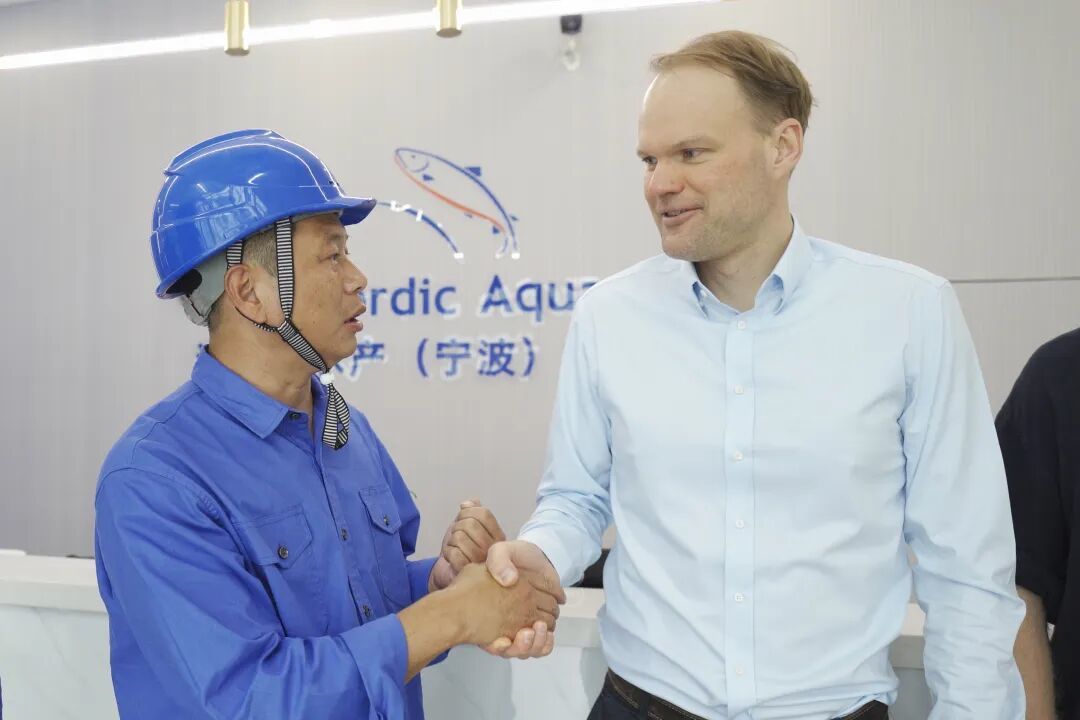
童安睿和李永军(左一)合影。柴铮/摄
Li Yongjun(L)and Tong Anrui(R).Photo by Chai Zheng
正如汉宁・克里斯托弗森信中所写,诺帝克的故事,会让更多挪威企业看到中国市场的开放与活力,看到中国营商环境的诚意与实力,带动更多北欧企业来华投资、深耕发展。
Kristoffersen’s letter highlights the project as a testament to China’s open market and efficient business environment, reflecting the strong willingness of Norwegian businesses to invest in the country.
从两千多年前范蠡写下《养鱼经》奠定东方养殖哲学,到如今北欧养殖技术在东海之滨落地生根;从两个挪威人跨越山海的中国情缘,到中挪两国产业合作的标杆项目,这条鱼儿的旅程,早已超越了商业本身。
From Fan Li’s ancient aquaculture methods to modern Nordic technology along China’s East China Sea coast, the salmon project—a landmark of Sino-Norwegian industrial collaboration—and the people who raise it tell a story of cooperation, cultural exchange, and shared growth that extends far beyond business.
它以商业为纽带,以真诚为内核,让不同的文化、不同的国度在合作共赢中,探寻共同的发展方向。
Rooted in sincerity and guided by business partnership, the salmon swims along its journey. Along the way, it unites cultures and nations, forging partnerships that chart a course toward a shared ocean of progress and possibility.
来源:宁波发布
频道推荐



